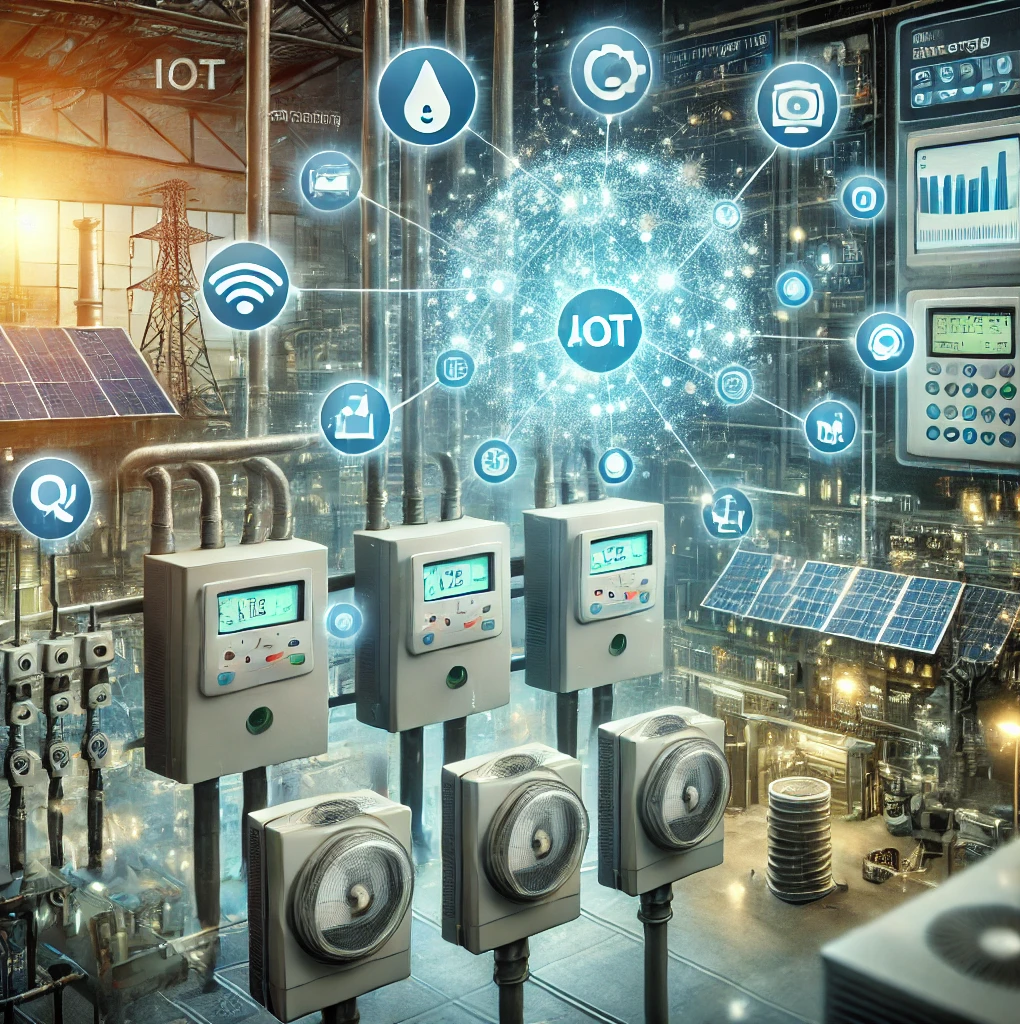
In an increasingly digital world, energy efficiency is more important than ever. As businesses and homes strive to reduce their carbon footprints and operational costs, the Internet of Things (IoT) has emerged as a powerful tool for monitoring and managing energy consumption. By connecting devices to a network of sensors and systems, IoT enables real-time energy tracking, predictive analytics, and smarter decision-making, all of which contribute to a more sustainable future.br
What Is Energy Monitoring? Energy monitoring involves tracking and analyzing the consumption of energy within a system or facility. Traditionally, this was done manually or through basic metering systems, which provided limited insights. However, IoT has transformed this process, making energy monitoring more intelligent and automated. By using IoT sensors, data can be collected from various devices and analyzed in real-time, offering a comprehensive view of energy usage patterns.
1. Real-Time Data Collection and Analysis IoT sensors can be attached to virtually any energy-consuming device, from HVAC systems to lighting and machinery. These sensors continuously collect data on energy usage, which is then transmitted to a central system for analysis. Real-time data allows for immediate insights, helping identify inefficiencies and optimize energy use on the fly.
2. Predictive Analytics for Energy Management IoT goes beyond simply monitoring energy consumption; it also enables predictive analytics. By analyzing historical data, IoT systems can predict future energy needs, allowing for proactive management. For example, a facility manager can receive alerts when a piece of equipment is likely to malfunction, preventing energy waste and downtime.
3. Automated Control Systems IoT-enabled energy monitoring systems often come with automation features. For instance, smart thermostats can adjust heating and cooling based on occupancy, time of day, or even weather forecasts. Similarly, lighting systems can dim or turn off lights when rooms are unoccupied, saving energy without human intervention.
4. Remote Monitoring and Control With IoT, energy management doesn’t have to be confined to a single location. Remote monitoring allows facility managers to track energy usage across multiple locations from a central dashboard. This level of visibility enables more effective decision-making and energy optimization across an entire organization. Real-World Applications of IoT in Energy Monitoring
• Smart Buildings: IoT sensors in smart buildings monitor energy usage in real-time, optimizing everything from lighting to heating and cooling. This leads to significant energy savings and a more comfortable environment for occupants.
• Industrial IoT (IIoT): In manufacturing, IoT sensors track the energy consumption of machines and equipment. This data helps in optimizing production processes and reducing unnecessary energy use, ultimately lowering operational costs.
• Smart Grids: IoT plays a crucial role in modernizing energy grids. By enabling two-way communication between energy providers and consumers, smart grids can balance energy loads more efficiently and reduce the chances of blackouts.
1. Cost Savings One of the most immediate benefits of IoT-based energy monitoring is the potential for cost savings. By identifying and addressing inefficiencies, businesses and homeowners can significantly reduce their energy bills.
2. Increased Operational Efficiency IoT provides valuable insights into energy consumption patterns, enabling businesses to streamline their operations. Whether it's reducing peak energy usage or optimizing machinery performance, IoT helps companies run more efficiently.
3. Sustainability and Environmental Impact Energy monitoring with IoT contributes to environmental sustainability by reducing waste. By optimizing energy consumption, organizations can lower their carbon footprint and contribute to global efforts to combat climate change.
4. Enhanced Control and Flexibility IoT offers enhanced control over energy systems, allowing for automated adjustments and remote management. This flexibility empowers businesses to respond quickly to changes in energy needs, improving overall efficiency. Challenges and Future Trends While IoT brings numerous benefits to energy monitoring, there are challenges to consider. Security is a major concern, as IoT devices can be vulnerable to cyber-attacks if not properly secured. Additionally, integrating IoT with existing energy management systems can be complex and require upfront investment. Looking to the future, the integration of IoT with AI and machine learning will further enhance energy monitoring capabilities. AI-driven algorithms can analyze IoT data to predict trends, optimize energy distribution, and even automate decision-making processes. As smart cities and industries continue to evolve, IoT will play an increasingly central role in energy management.